Gilberto
Gilberto
Genua
Genua
Portfolio 2025
Portfolio 2025
Complexity, Redesigned
Complexity, Redesigned
Rapido ECS
Redesigning a cloud-native Enterprise Content Management platform from a single-client solution to a scalable system adopted by 100+ companies through strategic navigation redesign and modular architecture.

Client:
Plug-in S.r.l.
My Role:
Sole Product Designer
Year:
2022
Core Team:
1 Project Manager
3 Software Engineers
End-users & stakeholders
The Business Problem
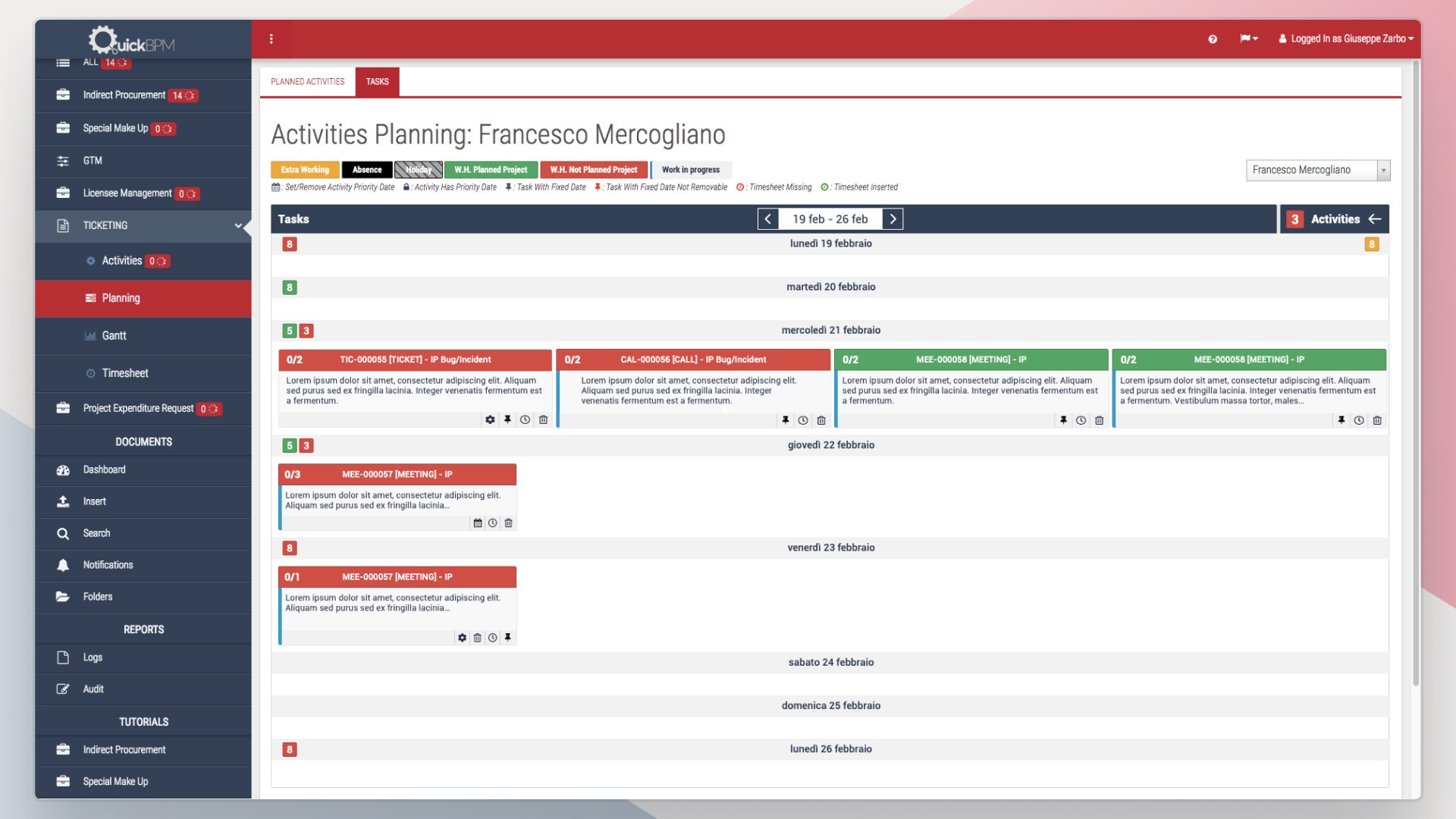
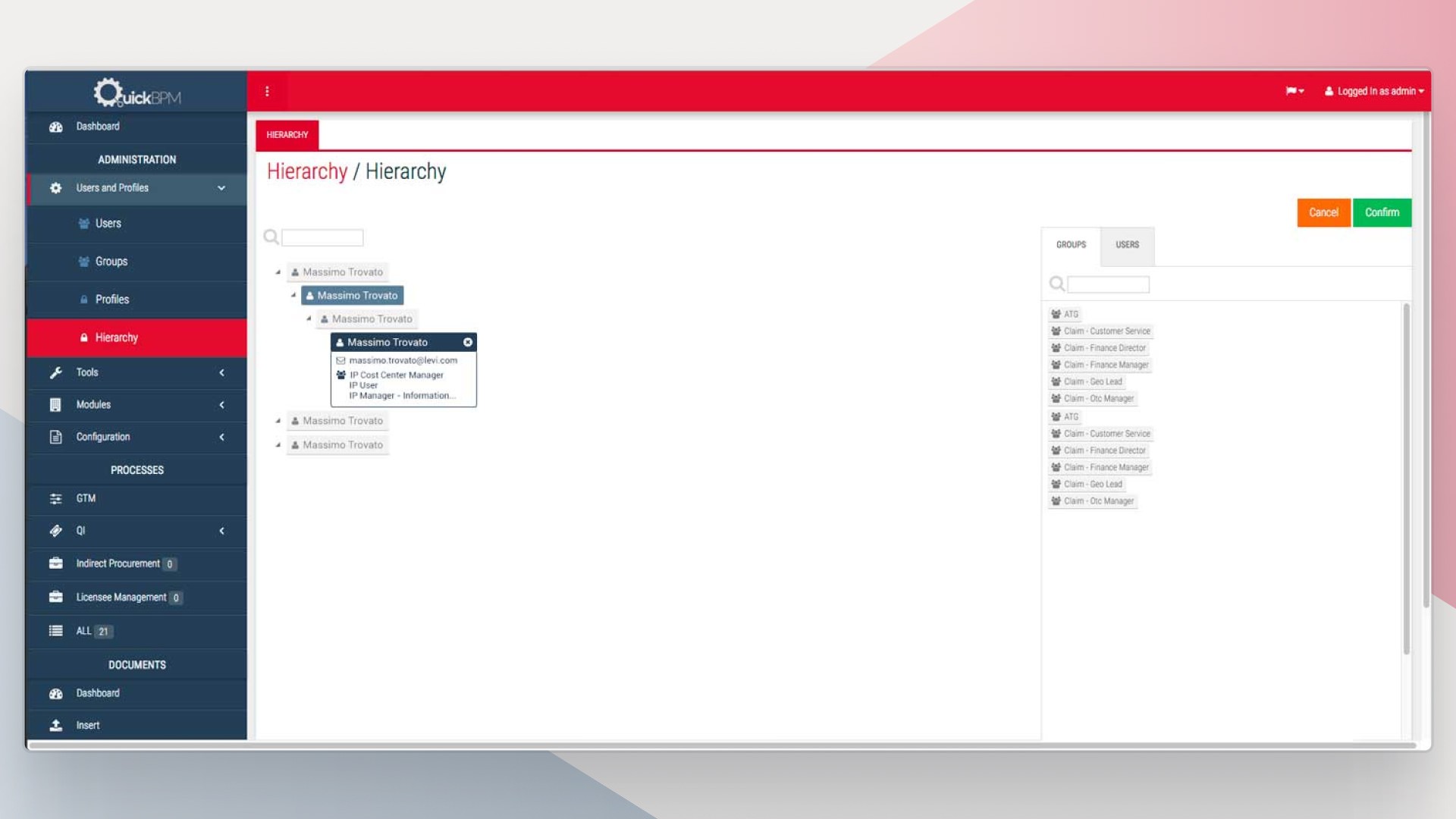
Over the years, Quick BPM - originally tailored for Levi's - evolved into RapidoECS with new features stacked on top of the old framework, creating significant usability and scalability challenges.
Key Issues
User Research & Insights
Contextual inquiry through direct observation at Levi's offices and internal Plugin S.r.l. usage, covering the complete spectrum from admin users to end-users in real workplace environments.
Key Problems Identified
Critical Insight
"Navigation and information architecture were as critical as visual modernization: users spent more time finding features than using them."
Design Process
Foundation: Theme & Component System
Modern visual theme inspired by brand colors, neutral component library designed for easy client customization, and progressive implementation to minimize disruption.
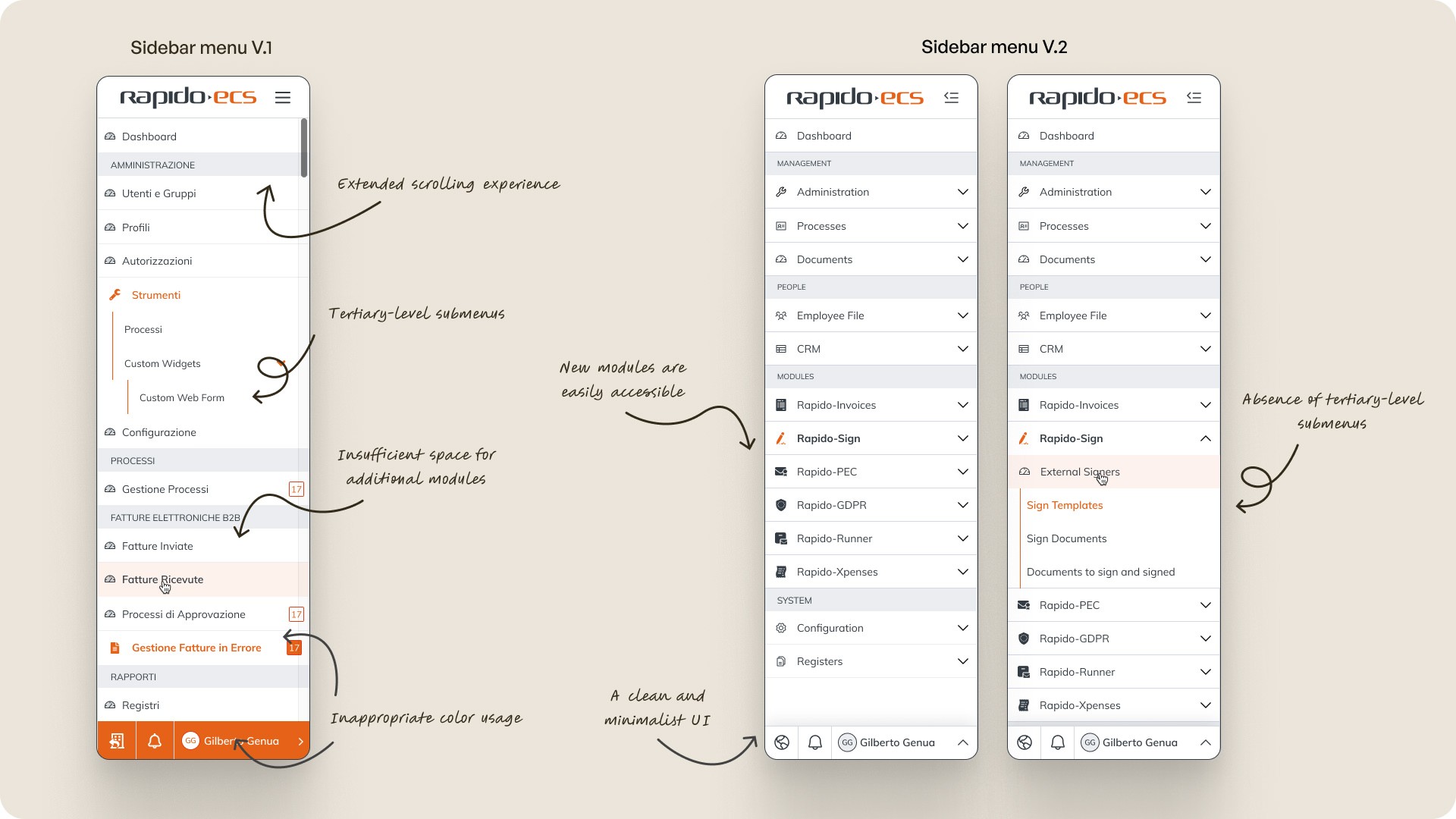
Navigation v1: Eliminating Deep Hierarchies
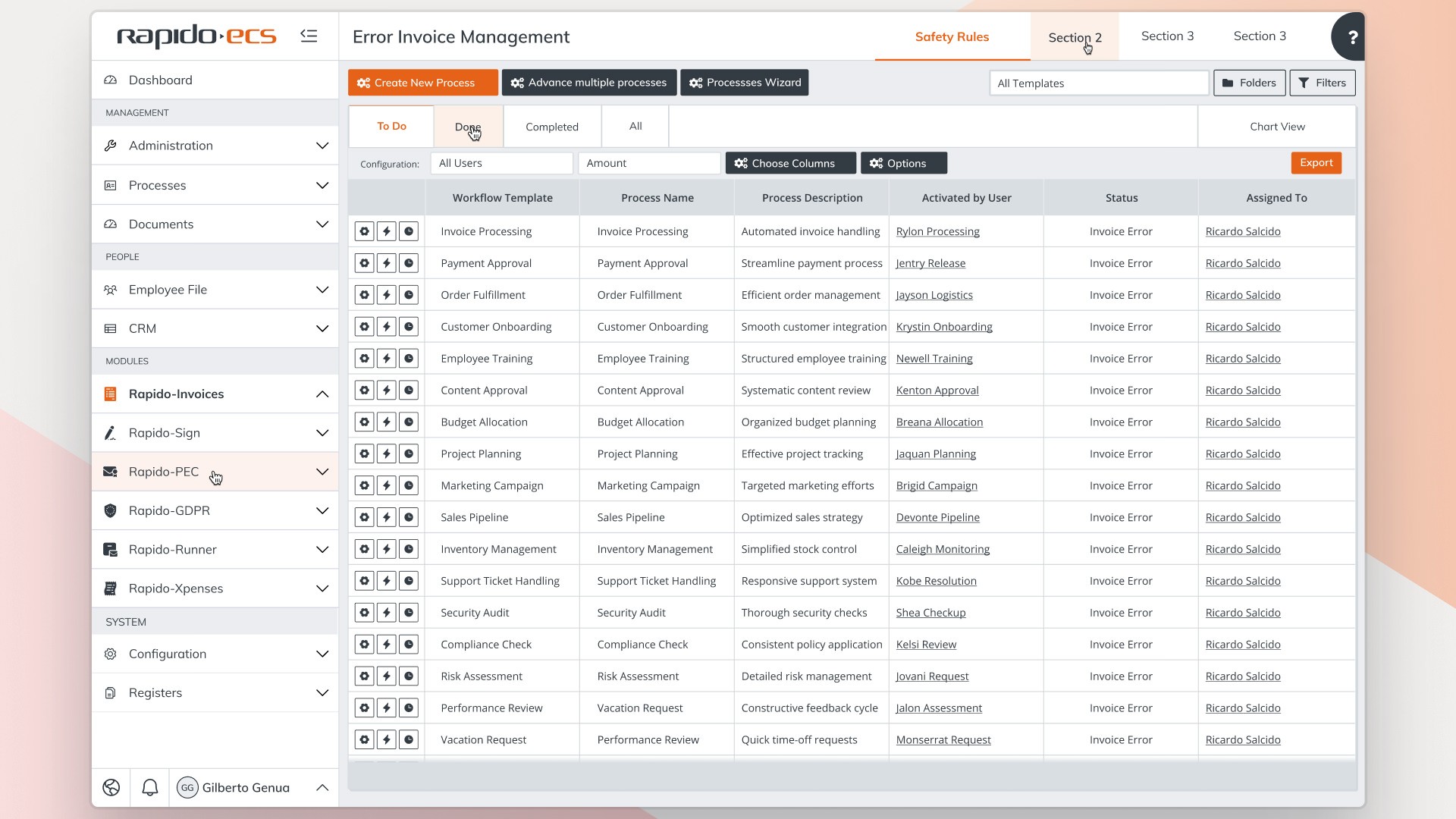
Eliminated third-level menus completely, moved functions to top-level tabs, simplified sidebar with primary modules. Result: Simplified but insufficient once new modules appeared monthly.
The Scale Problem
Challenge: Users with multiple modules faced endless sidebar lists. Those with complete suites felt as lost as those with minimal setups. Monthly releases demanded architectural rethinking.
Navigation v2: Modular Architecture
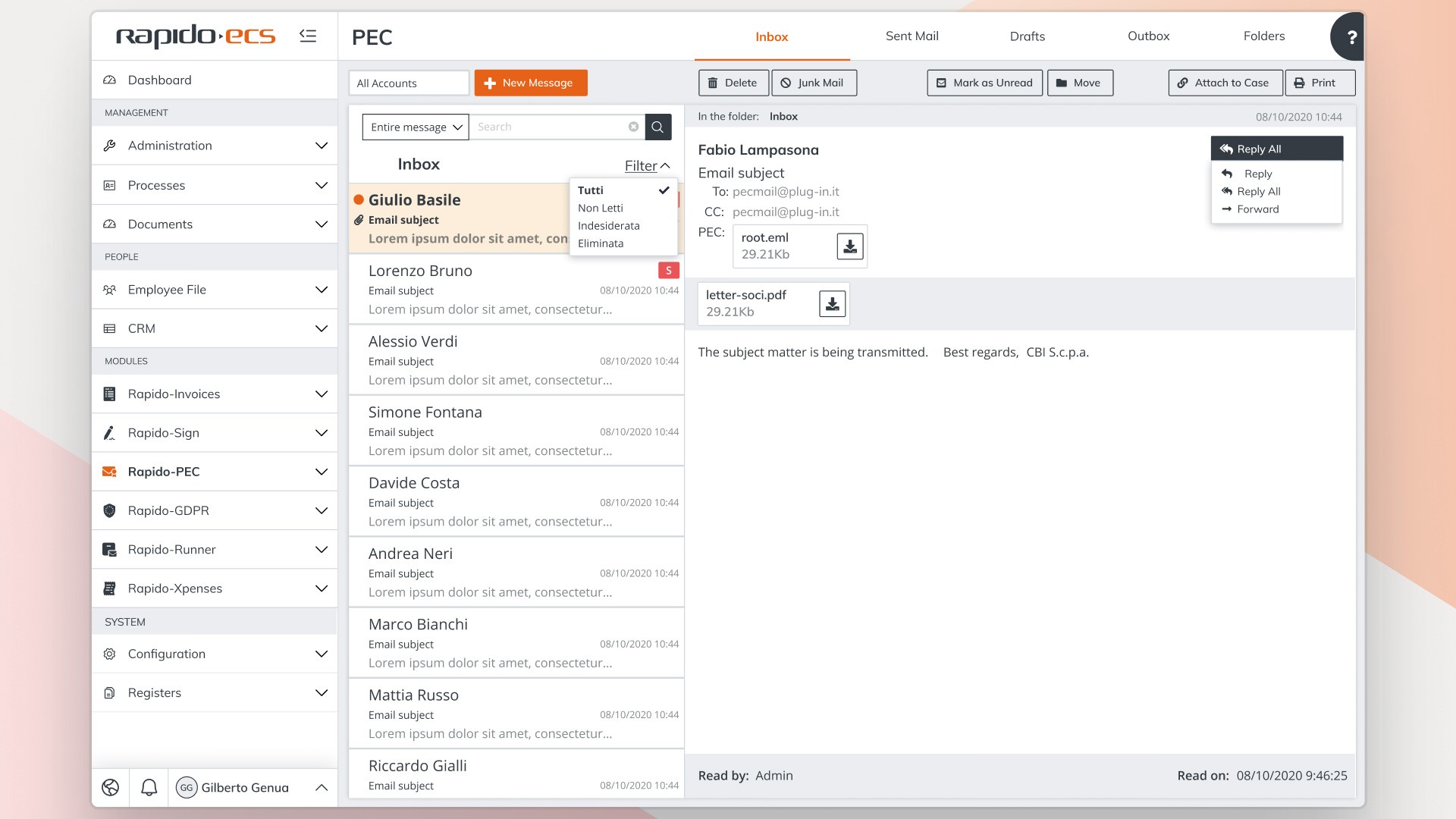
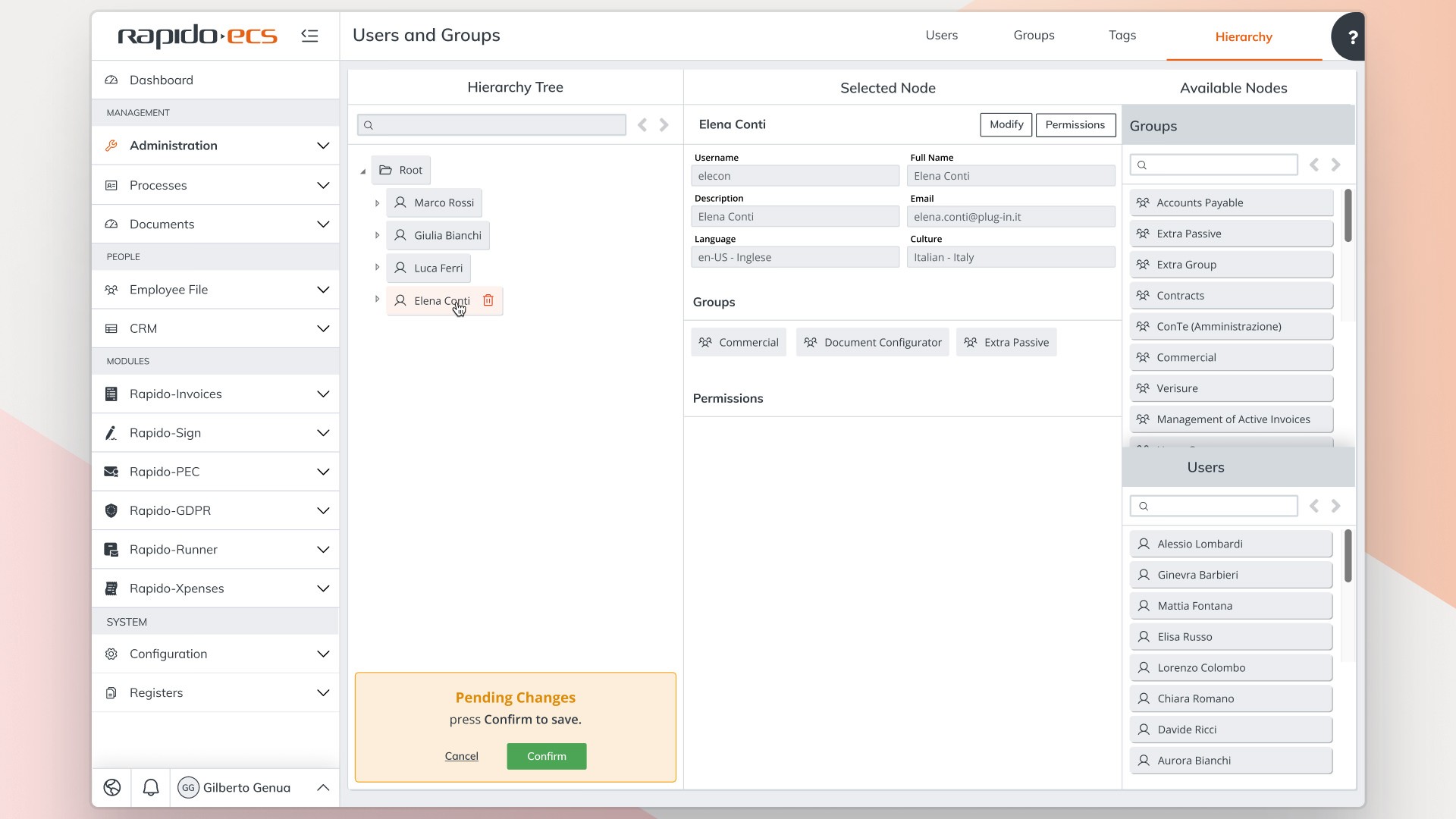
Modular sidebar with expandable sections, logical grouping (Management, People, Modules, System), scalable structure for unlimited growth, consistent responsive patterns.
Implementation Strategy & Change Management
Gradual rollout: Core functions first, complex workflows later. User guides and video tutorials to ease transition. Demonstrated cognitive load reduction to gain user buy-in.
Strategic Implementation Approach
1. Core Functions First
Navigation, IA, and common interactions prioritized to establish foundation.
2. Complex Workflows Later
Workflow management, document insertion, admin sections updated progressively.
3. Change Management
User guides, video tutorials, and demonstrated performance improvements.
Final Solution
The redesign delivered a comprehensive transformation addressing both immediate usability issues and long-term scalability requirements.
Unified, scalable navigation replacing deep menu hierarchies
Consistent mental models across all modules
Future-proof structure accommodating unlimited growth
Reusable UI components ensuring consistency
Neutral theming adaptable to client brands
Responsive layouts for desktop and mobile
Standardized components enabling faster development
Neutral theming adaptable to client brands
Reduced technical debt in UI implementation
Impact & Results
Over 100 companies have adopted the platform.
This shows a strong user base and market acceptance.
Users experience a
25% average reduction in support tickets.
This indicates improved user experience and platform usability.
Eight new modules have been successfully integrated.
This demonstrates ongoing development and feature enhancement.
The platform has successfully expanded to three new industries.
This highlights the platform's versatility and market reach.
User Experience Impact
Business Impact
"Standardized components enabled even junior developers to work more efficiently, improving code quality and reducing technical debt while accelerating the overall development process."